

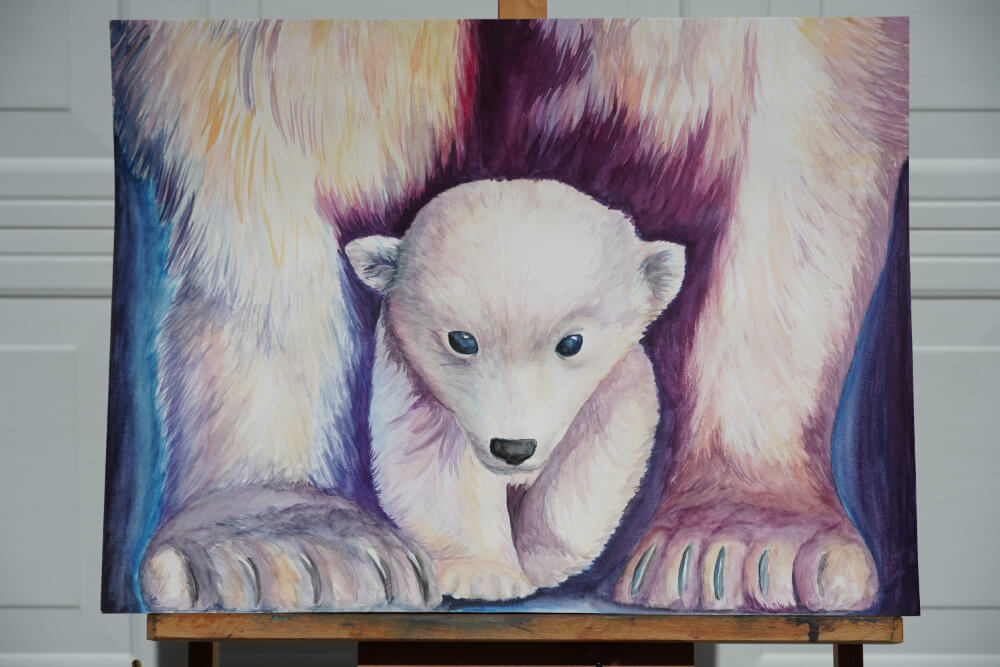
Meet the Polar Bear
When you think of Christmas characters, your mind probably jumps to reindeer, elves, or a certain jolly guy in a red suit. But up in the Arctic Circle, another winter icon is ready for the spotlight… the polar bear!
While reindeer guide Santa’s sleigh and gingerbread houses glow with candy décor, polar bears patrol the frozen Arctic, demonstrating strength, resilience, and survival in a world made entirely of snow and sea. They are the true ambassadors of the season: wild symbols of what it means to thrive in a winter wonderland.
Scientific Name: Ursus Maritimus
Phylum: Chordata
Order: Carnivora
Genus: Ursus
Kingdom: Animalia
Class: Mammalia
Family: Ursidae
Species: U. Maritimus
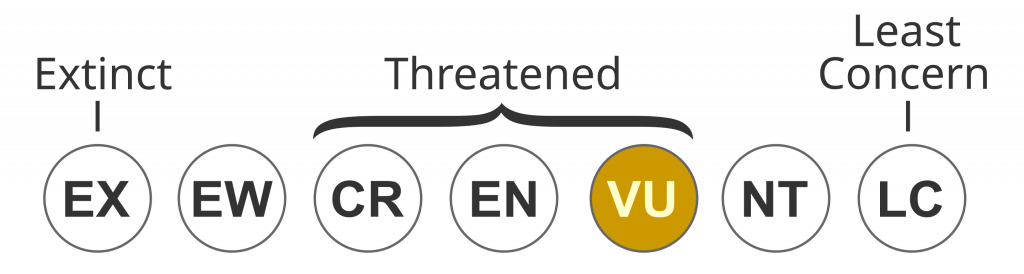
IUCN Redlist Status:
The Polar Bear is listed as Vulnerable on the IUCN Red List, meaning it faces a high risk of extinction in the wild. Its population is estimated to be 22,000 to 31,000 individuals
Home for the holiday: where polar bears live
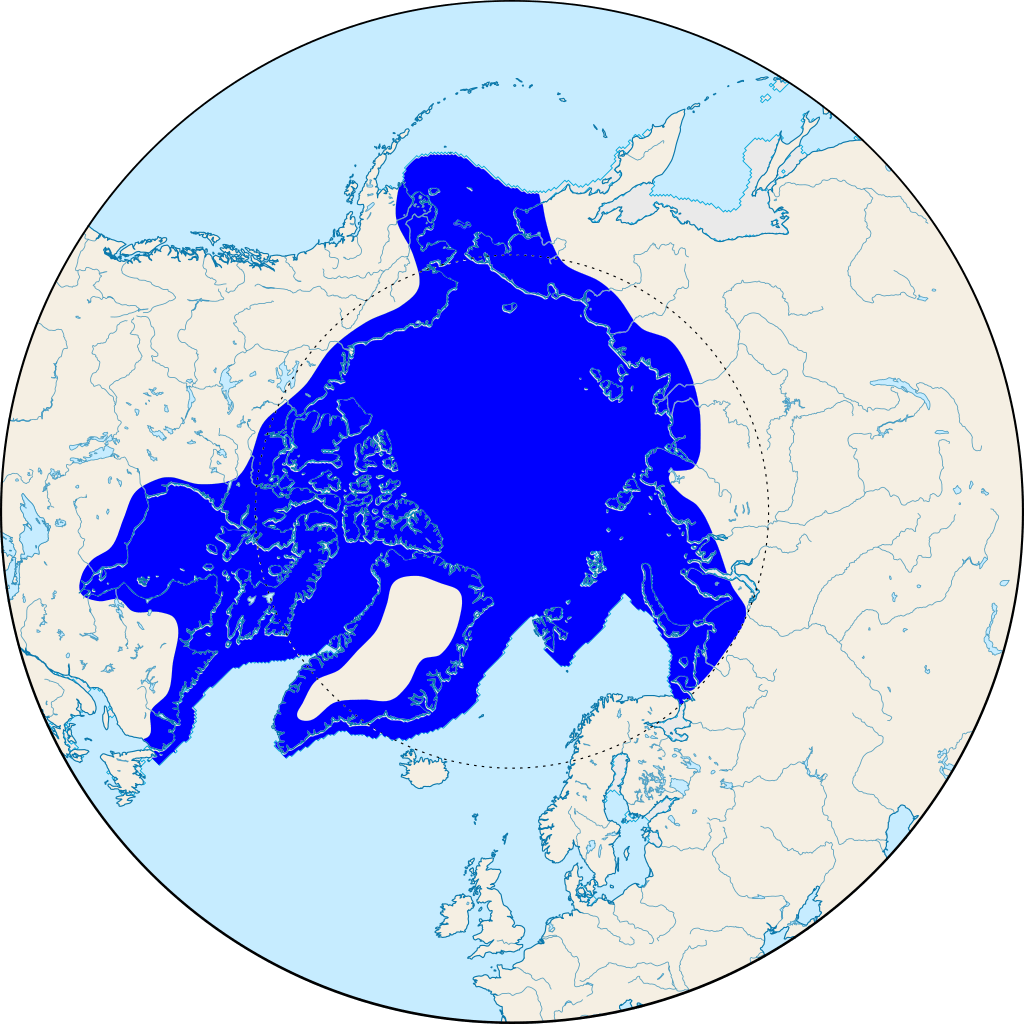
Polar bears live exclusively in the Arctic Circle, a region that includes the northernmost parts of Canada, Alaska, Russia, Greenland, and Norway’s Svalbard archipelago. Their world is defined by shifting sea ice, frozen shorelines, and waters colder than any swimming pool we’d dare touch. While we may dream of a “white Christmas” once a year, polar bears spend their entire lives navigating a world of ice. Sea ice is more than a backdrop; it is their hunting ground, their highway system, and the foundation of their existence. Mothers carve out snow dens in thick drifts, forming cozy nurseries where tiny cubs take their first wobbly steps into the frozen light. The Arctic, though stark and harsh, is a breathtaking ecosystem finely tuned for life, and polar bears are its reigning rulers.
What’s on the Menu?
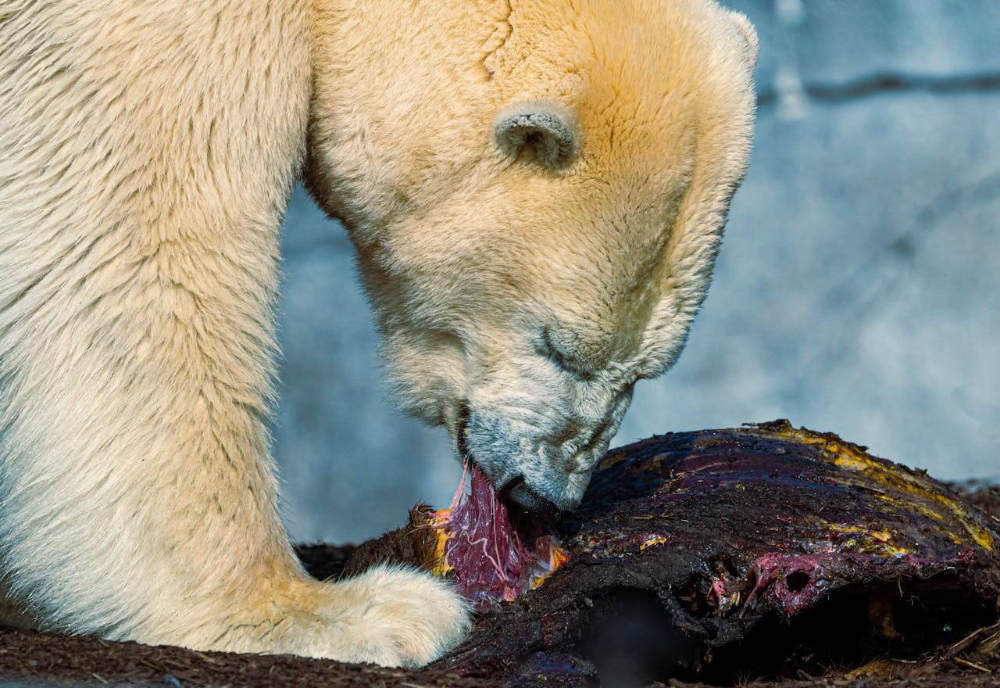
Diet is essential to understanding a polar bear’s survival. While we indulge in holiday cookies and peppermint treats, polar bears spend their days searching for seals, especially ringed and bearded seals, whose rich blubber fuels the bears’ energy needs. In fact, polar bears are considered hypercarnivores, meaning their diet is almost entirely meat. A single successful hunt can sustain a polar bear for days or even weeks, but hunting is anything but easy. Patience becomes a sport: a polar bear may wait motionless by a breathing hole for hours until a seal surfaces for air. The moment is quick but crucial; food scarcity is a defining struggle in the Arctic, and every calorie matters.
Family life: cubs and cozy dens
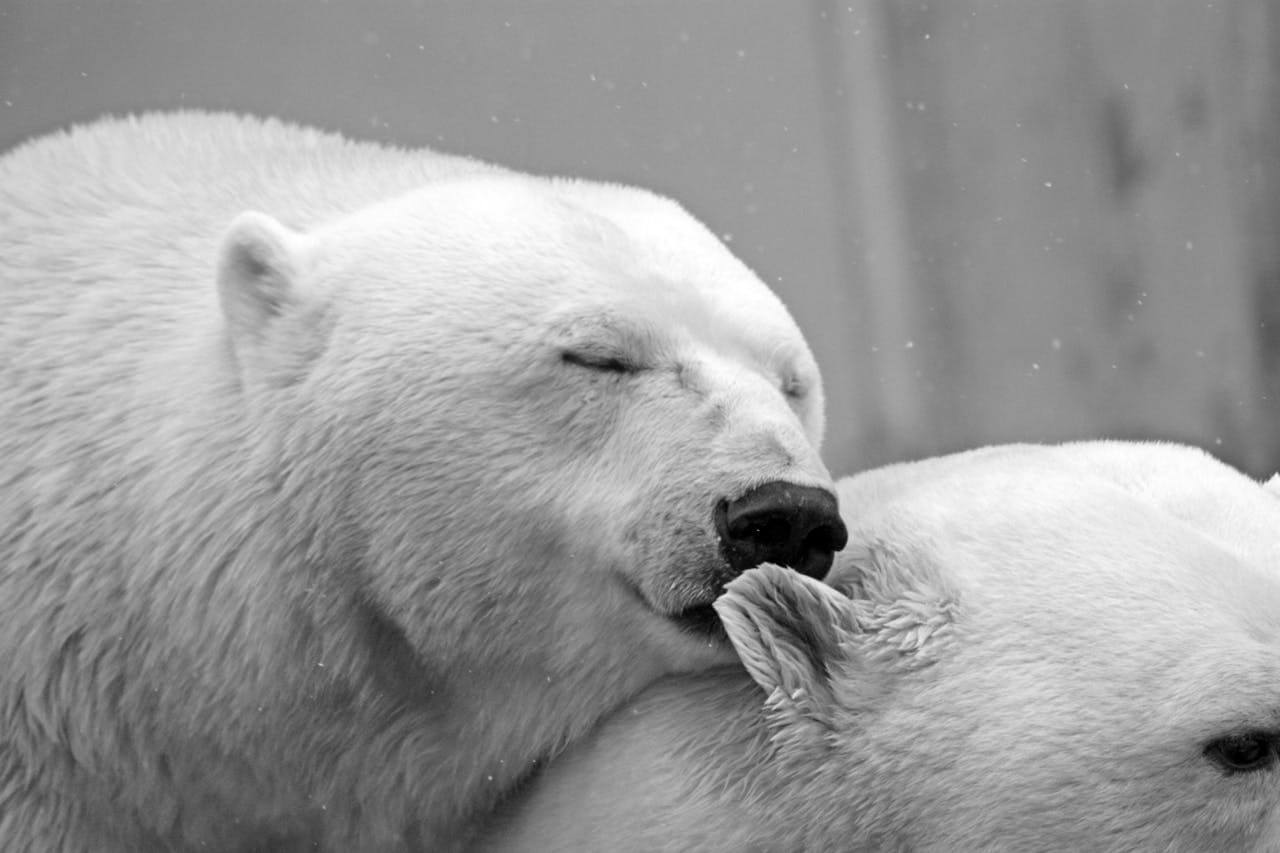
Deep in the heart of winter, inside snow-covered dens hidden beneath drifts of ice, tiny cubs are born, each weighing barely more than a guinea pig. Blind and helpless, they nestle into their mother’s thick fur, relying on her warmth to survive the Arctic’s bitter cold. For months, she fasts and sleeps beside them, living off stored fat reserves until the spring thaw allows her to hunt again. Their mother becomes their entire world: protector, teacher, and provider. She teaches them essential survival techniques, from stalking a seal to navigating dangerous ice. Cubs also learn through play: sliding down snowdrifts, wrestling with siblings, and pouncing through powdery drifts. These moments of joy build the foundation they need for adulthood. After about two-and-a-half years, they set off on their own, carrying lessons learned from a mother who dedicated every ounce of her strength to them.
Polar Bear Fun Facts
- Snowy Super Swimmers – Polar bears are powerful swimmers and have been recorded swimming over 60 miles (100 km) at a time: an exhausting and dangerous feat that’s becoming more common as sea ice disappears.
- Paws Like Snowshoes – Their paws can be over 12 inches wide, helping them walk on thin ice and giving them great grip when they swim.
- Tiny Winter Babies – Cubs are born in cozy snow dens and weigh just over 1 pound at birth, smaller than a loaf of bread!
- Smell Detectives – They can sniff out a seal from almost a mile away and even detect breathing holes that are hidden under thick layers of snow.
- Blubber Specialists – Polar bears have sharp carnassial teeth adapted for slicing through thick seal blubber, allowing them to consume massive amounts of fat quickly before competitors arrive.

Threats to their survival
Despite their incredible strength and adaptability, polar bears are facing one of the greatest crises in their evolutionary history. The Arctic, their icy home, is warming nearly four times faster than the global average. As temperatures rise, sea ice — the vital platform from which polar bears hunt seals — is melting earlier each spring and freezing later each autumn. This shrinking ice forces the bears to travel greater distances in search of food, often swimming for miles through frigid waters. Many grow weaker as their energy reserves are depleted before they can reach stable ice again.
When hunting becomes impossible, some polar bears are driven toward coastal communities in search of scraps, leading to dangerous encounters with humans. The lack of food not only threatens adult bears but also affects reproduction: mothers struggle to nurse their cubs, and fewer young survive into adulthood. Compounding these challenges, pollutants from human industries accumulate in Arctic food webs, poisoning the bears’ prey and slowly infiltrating their bodies.
Scientists warn that without swift action to curb global warming and reduce industrial contamination, the polar bear’s icy kingdom may continue to disappear beneath their paws. Listed as Vulnerable by the IUCN, polar bears stand as a haunting symbol of a rapidly changing planet, one that demands immediate conservation efforts if these majestic predators are to endure for generations to come.
Conservation: keeping the Arctic magical

There is hope — and we all play a role in it. Conservation organizations are working to safeguard sea ice habitats, reduce industrial threats, and create solutions to prevent dangerous encounters between communities and wildlife. Scientists track polar bear movements to understand their shifting territory needs. Global efforts to reduce carbon emissions directly impact the Arctic’s stability. Simple choices — like cutting back on waste, choosing sustainable holiday gifts, and supporting wildlife conservation — may seem small, but they help protect a world far beyond our view. Every positive step contributes to a cooler, safer planet for polar bears and all Arctic species.
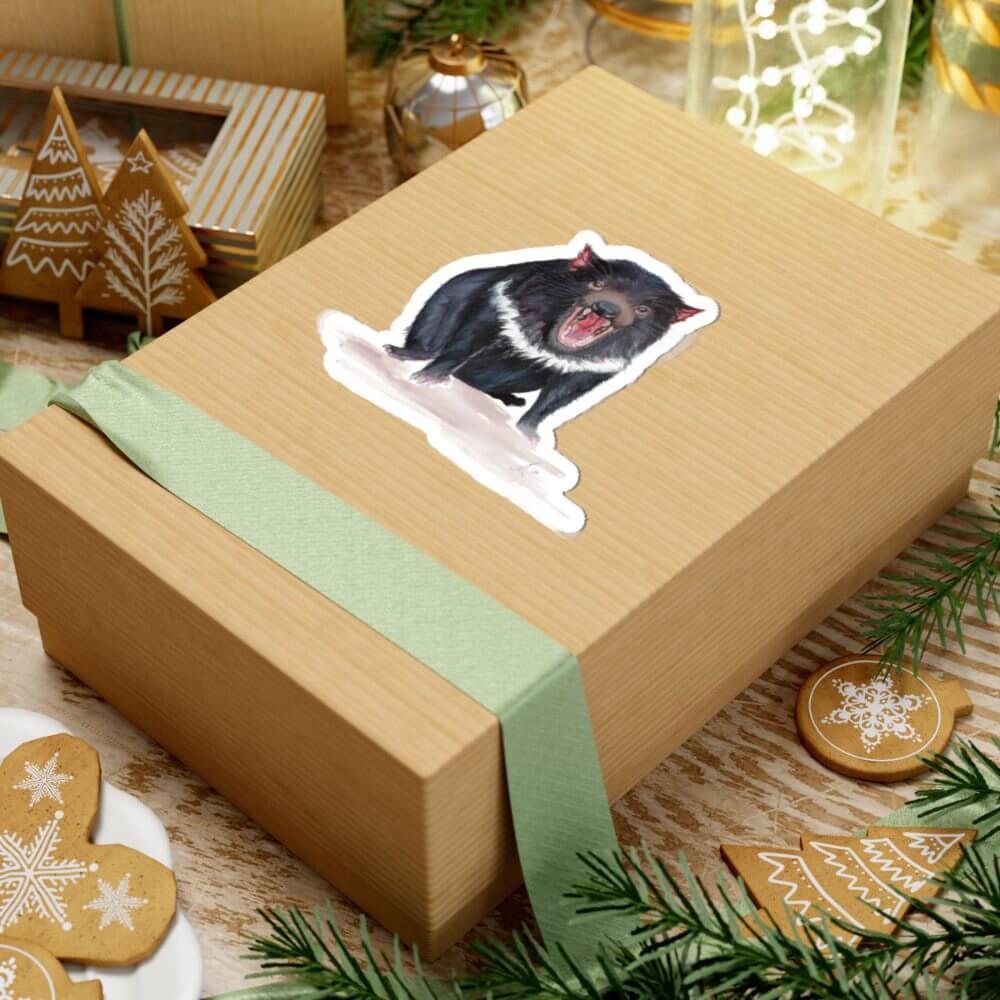
Lastly, Shop at Artsefact: Part of the proceeds go towards wildlife and habitat conservation.
Buy Art & Save Wildlife
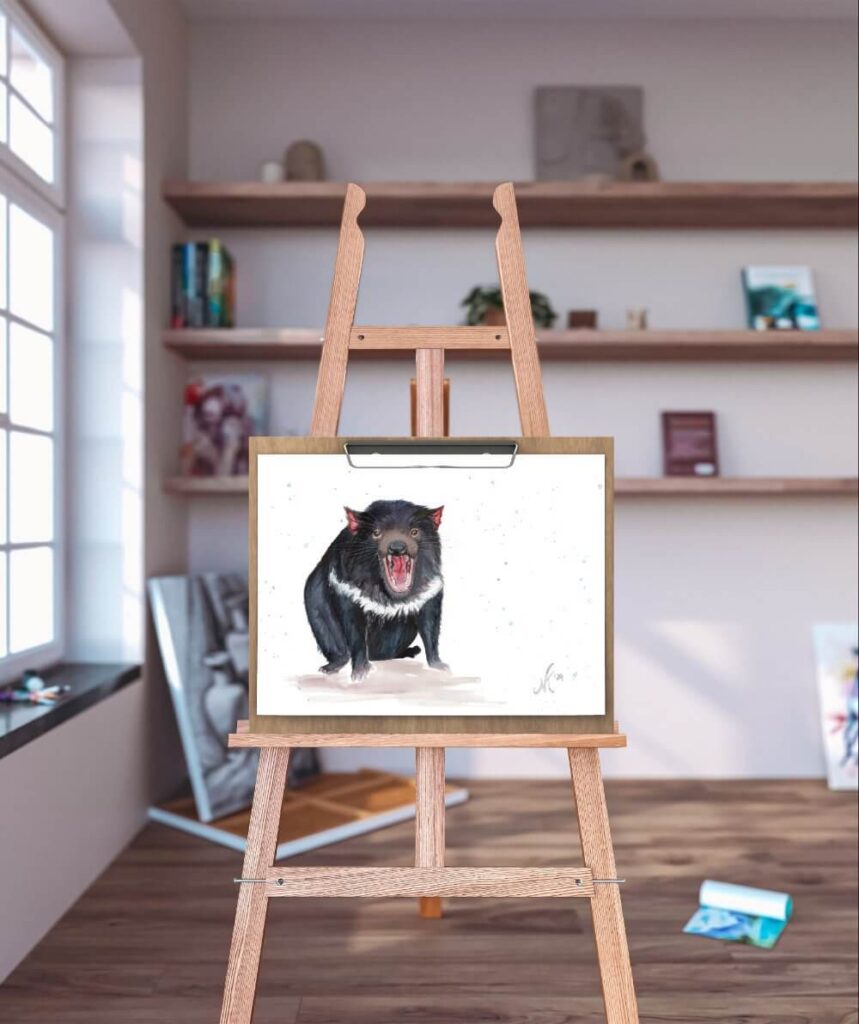
10% of all profits support wildlife and habitat conservation efforts, so every artwork you collect helps protect the planet.
Polar Bear Factsheet
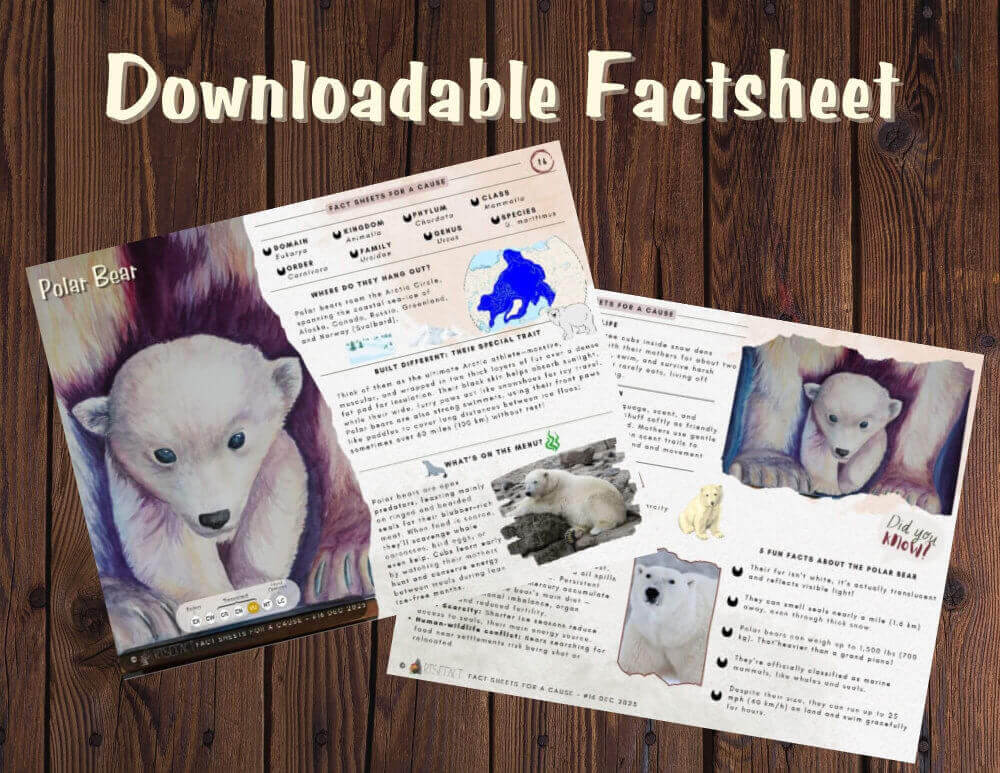
Would you like a Polar Bear fact sheet?
- Sign up for our newsletter for exclusive updates and wildlife conservation tips (Your welcome email has your Password for the Portal)
- Visit https://artsefact.com/factsheets/ where you can access and download ALL Factsheets & Gain Early Access to NEW Factsheets
Here’s how you can gain access:
Resources
- IUCN Red List – Polar Bear – https://www.iucnredlist.org/species/22823/14871490
- Polar Bears International – https://polarbearsinternational.org/
- NOAA Arctic Report Card – https://arctic.noaa.gov/Report-Card/
- WWF Polar Bear Facts – https://www.worldwildlife.org/species/polar-bear/
- National Snow and Ice Data Center (NSIDC) – https://nsidc.org/home
- IPCC AR6 (Arctic Amplification) – https://www.ipcc.ch/report/ar6/wg1/
Shop Bestsellers
No products found.


