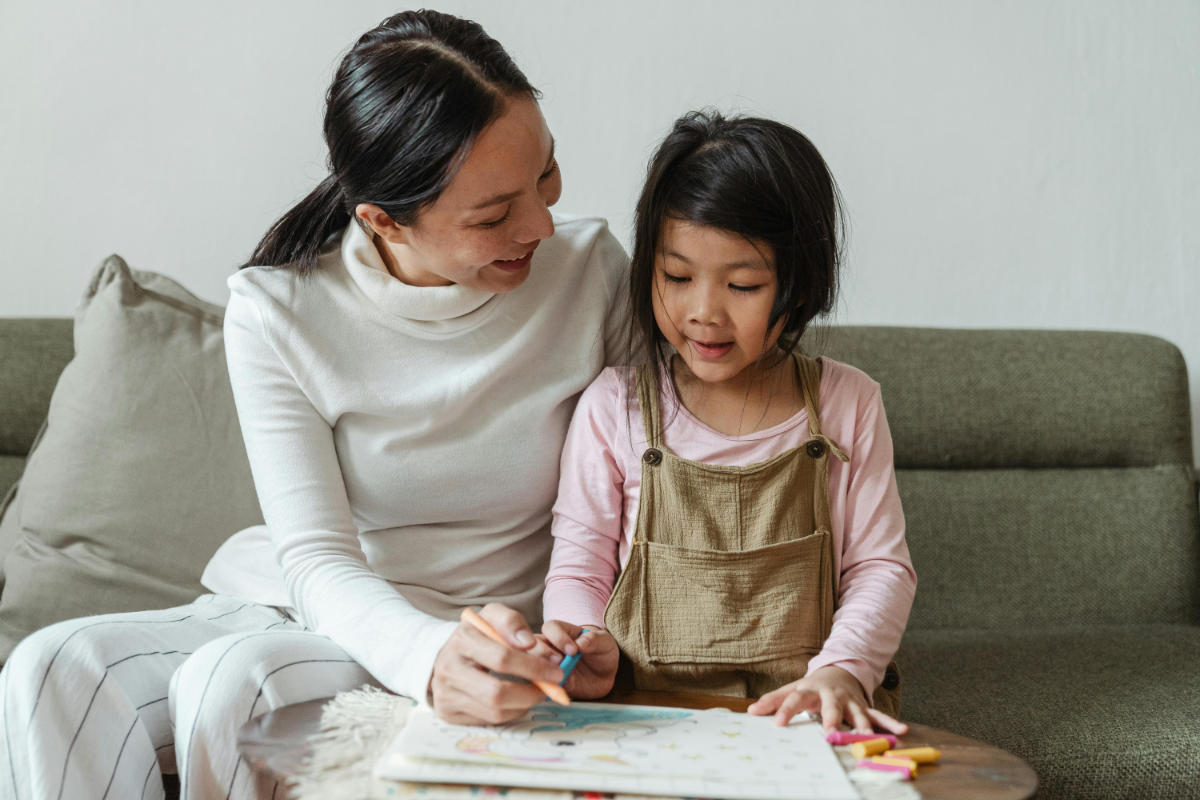

Curiosity is the spark that powers lifelong learning — and like any spark, it needs oxygen, encouragement, and a little structure to keep burning. As parents, your job isn’t to force knowledge but to sustain wonder. This guide explores practical, evidence-based ways to nurture that spark through your home, your habits, and your mindset.
How to Help Your Kids Stay Curious and Creative
- Model curiosity: Let your children see you learning, failing, and asking questions.
- Design a learning ecosystem: Fill your home with books, creative tools, and exploration zones.
- Blend fun and focus: Use games, storytelling, and art to connect learning with joy.
- Diversify exposure: Science, music, math, conservation — every subject hides a new fascination.
- Stay involved: Visit museums, libraries, and community projects. Kids follow your enthusiasm.
The Learning Ecosystem: Your Home as a Discovery Hub
Kids learn best when their environment whispers possibility. A well-designed space — stocked with books, art materials, puzzles, and hands-on science kits — signals that curiosity is welcome.
For example, a corner filled with world maps and magnifying glasses invites exploration, while open shelves of paints and building sets encourage creative experimentation. Tools like National Geographic Kids or Khan Academy can extend this exploration digitally.
Section Spotlight: Nurturing Curiosity Through Creative Exposure
The joy of learning thrives when it’s both personal and practical. Whether your child dreams of rockets, rivers, or robots, introducing diverse topics early helps them find their “why.”
You can:
- Visit local science fairs or online exhibitions.
- Read together about the natural world and how professionals keep learning throughout life.
- Discuss how education evolves — from reading picture books to mastering complex skills.
For parents exploring lifelong professional learning themselves, pursuing an advanced nursing degree can model the value of continuous growth. When kids see you studying with purpose, it normalizes learning as a joyful, ongoing process.
How-To: Build Daily Curiosity Rituals
Here’s a simple process to create structure without pressure.
| Step | Action | Example | Outcome |
| 1 | Ask a question of the day | “Why do birds migrate?” | Sparks critical thinking |
| 2 | Co-learn | Search answers together on trusted sites like NASA Kids’ Club | Builds research habits |
| 3 | Make it tangible | Draw or build a model of the answer | Reinforces creativity |
| 4 | Reflect nightly | “What surprised you most today?” | Strengthens memory and empathy |
When curiosity is part of the family rhythm, learning feels natural — not forced.
Checklist: Keeping Learning Playful and Purposeful
- Read to your child daily, even beyond early childhood.
- Encourage questions — and don’t rush to answer them.
- Use art to explain abstract ideas (draw fractions, paint planets) with Artsefact.
- Rotate educational games and DIY science kits.
- Celebrate effort, not just results.
- Join library programs or virtual workshops like Coursera for Kids.
- Balance screen time with sensory time — cooking, gardening, or building.
Learning by Example: Parents as Co-Explorers
Children copy what they see more than what they’re told. If they watch you reading, experimenting, or learning new skills, they internalize curiosity as part of daily life.
A few powerful habits to model:
- Learn something new monthly (a recipe, a language phrase, a science concept).
- Share stories of failure and persistence.
- Keep a visible “family curiosity board” for projects or questions.
Even subtle cues — like keeping an open book on the coffee table or tuning in to a STEM learning podcast — reinforce the message that knowledge is ongoing and exciting.
FAQ: Parents’ Common Questions
Q: What if my child loses interest in reading?
A: Let them choose — comics, cookbooks, or sports biographies count as reading. The goal is engagement, not genre.
Q: How do I balance digital learning with play?
A: Mix analog and digital: pair an educational app like Tynker with real-world problem-solving activities.
Q: My child resists structured lessons — should I push?
A: Avoid force; integrate learning into play. Build a fort to explore geometry or cook to teach chemistry.
Glossary
- Curiosity Loop: The self-reinforcing cycle of asking, exploring, and understanding.
- Cognitive Play: Mental engagement through creative or problem-solving activities.
- Intrinsic Motivation: Learning driven by internal reward rather than external approval.
- Growth Mindset: The belief that abilities can be developed through effort and feedback.
Highlighted Product: The “Curiosity Journal”
Encourage reflection with a daily curiosity notebook — a simple log where kids record questions, sketches, and discoveries. Tools like Evernote can digitize the process, while physical journals let children doodle freely. Choose what suits your family’s rhythm best — consistency matters more than format.
Conclusion
The love of learning doesn’t fade when nurtured — it evolves. Your home, words, and habits shape how your children see curiosity: as something temporary, or as a lifelong adventure. Keep showing them that learning isn’t an obligation — it’s a privilege.
When curiosity feels safe, celebrated, and shared, your kids don’t just learn — they become learners.
Discover the power of art with a purpose at Artsefact and join a community dedicated to wildlife conservation through creativity and storytelling. Explore our collection and be part of the change today!