

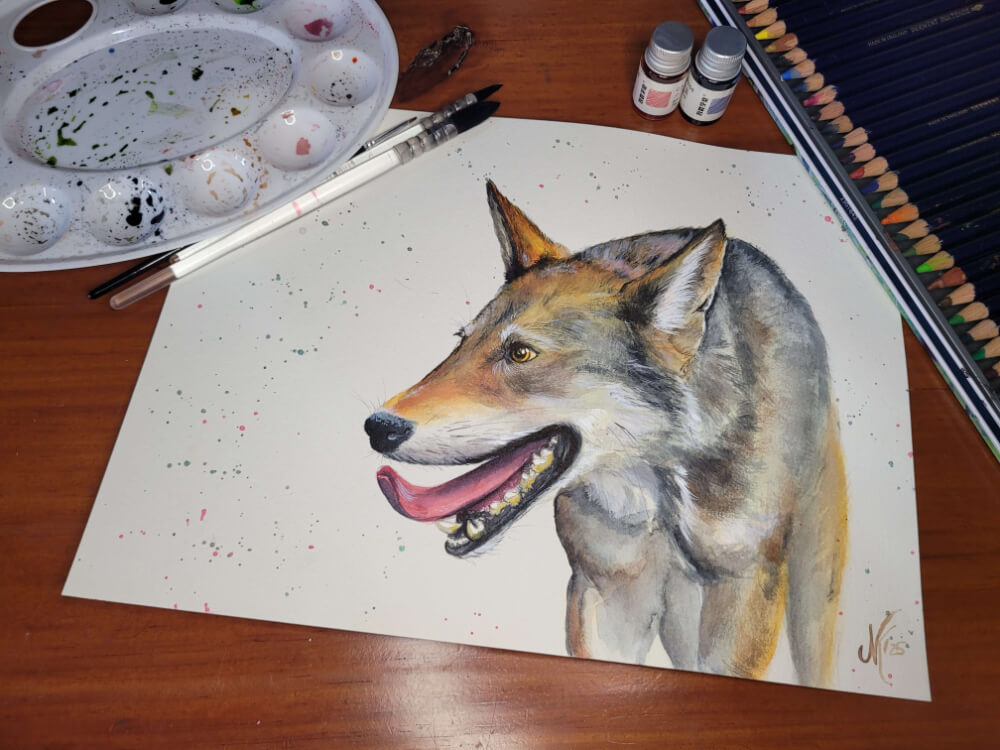
Meet the Red Wolf
Considered one of the most endangered canids in the world and the only large carnivore native solely to the United States, the Red Wolf has survived incredible challenges over time. Once widespread across the southeastern U.S., their numbers declined rapidly due to aggressive predator control programs, habitat loss, and hybridization with coyotes during the mid-1900s.
The situation became so severe that the species was declared extinct in the wild by the 1980s. Thanks to dedicated captive breeding and reintroduction efforts, Red Wolves can once again be found in small numbers in the wild.
However, their recovery remains fragile, with ongoing human-related threats continuing to limit their comeback.
Scientific Name: Canis rufus
Phylum: Chordata
Order: Carnivora
Genus: Canis
Kingdom: Animalia
Class: Mammalia
Family: Canidae
Species: C.rufus
IUCN Redlist Status:
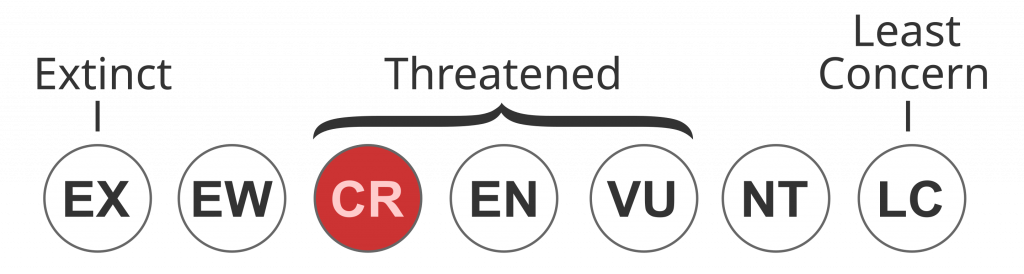
In its most recent assessment, the Red Wolf is listed as Critically Endangered on the IUCN Red List. Its population remains extremely small, with fewer than 30 individuals left in the wild as of February 2026. While conservation efforts have helped prevent extinction, the population remains highly vulnerable.
- Meet the Red Wolf
- Where do they Roam?
- What do they look like?
- Opportunistic Hunters: a red wolf's diet
- Pack Behavior and Family Life
- The Decline of the Population
- Red Wolf Fun Facts
- Why do red wolves matter?
- Threats and Conservation Challenges
- How You Can Help Protect the Red Wolf
- Buy Art & Save Wildlife
- Red Wolf Factsheet
- Resources
- Shop Bestsellers
Where do they Roam?
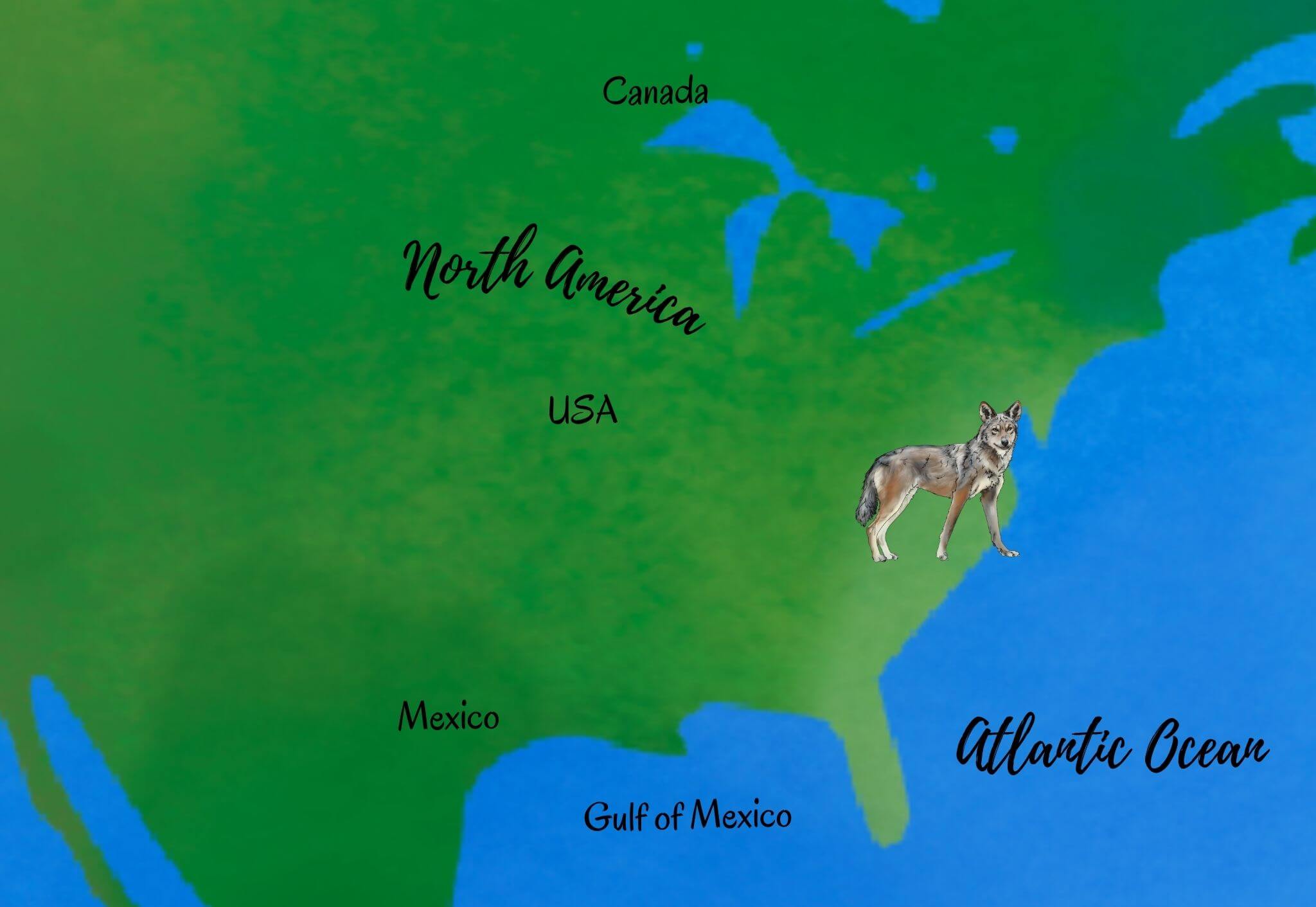
Historically, Red Wolves ranged across much of the eastern and southeastern United States, from Texas to the Atlantic coast, and as far north as the Ohio River Valley and parts of the northeastern U.S.This once wide distribution included a variety of habitats, from forests and wetlands to coastal plains.
By 1980, however, the species had been declared extinct in the wild, following decades of habitat loss, predator control programs, and hybridization with coyotes.
Today, the only remaining wild population is located in eastern North Carolina, primarily on the Albemarle Peninsula.
What do they look like?
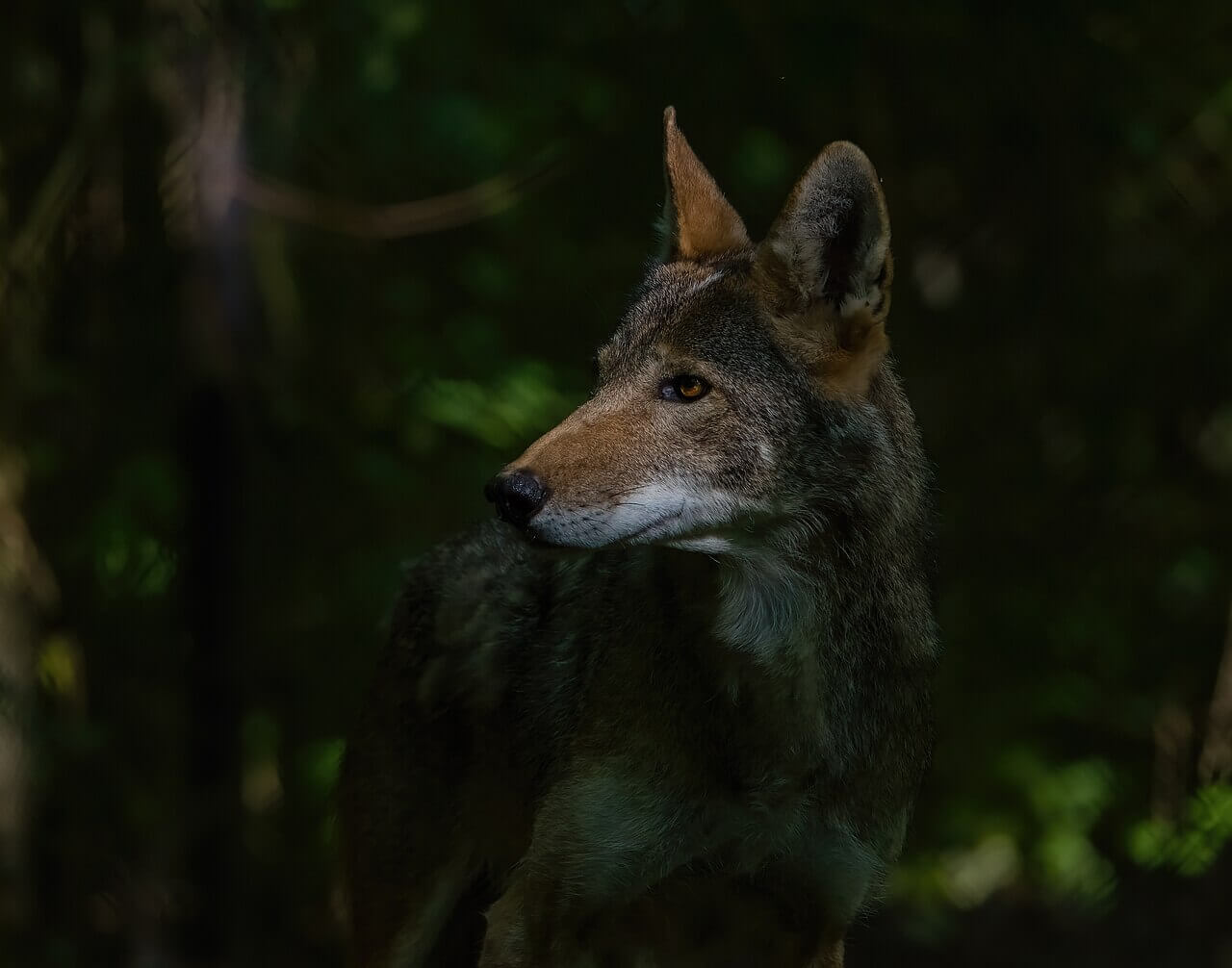
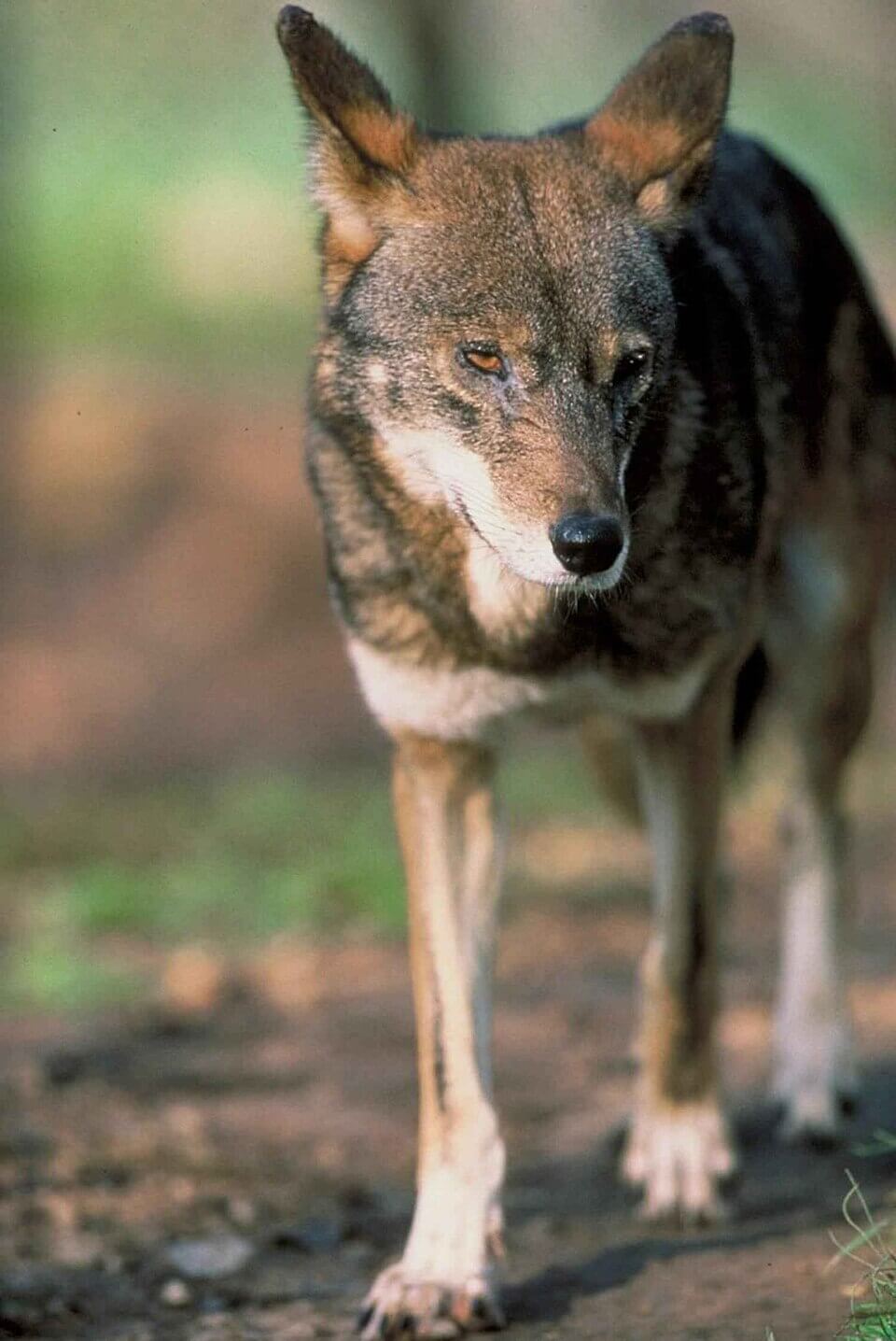
Red wolves have a distinctive appearance that sets them apart from other canids. They are known for their reddish-tinted fur, especially around the ears, head, and legs, though their coat can range from tawny to grayish-brown overall. Lighter markings are often visible around the lips and eyes, adding to their expressive look.
They have long, slender legs, tall ears, and a relatively large head, giving them a lean, agile build that is suited for their environment. In terms of size, red wolves are considered intermediate: larger than coyotes but smaller than gray wolves.
Adult red wolves typically measure 136–165 cm (53–65 inches) in length and stand about 66 cm (26 inches) at the shoulder. They usually weigh between 20–39 kg (44–86 lbs), with males generally larger than females.
Opportunistic Hunters: a red wolf’s diet
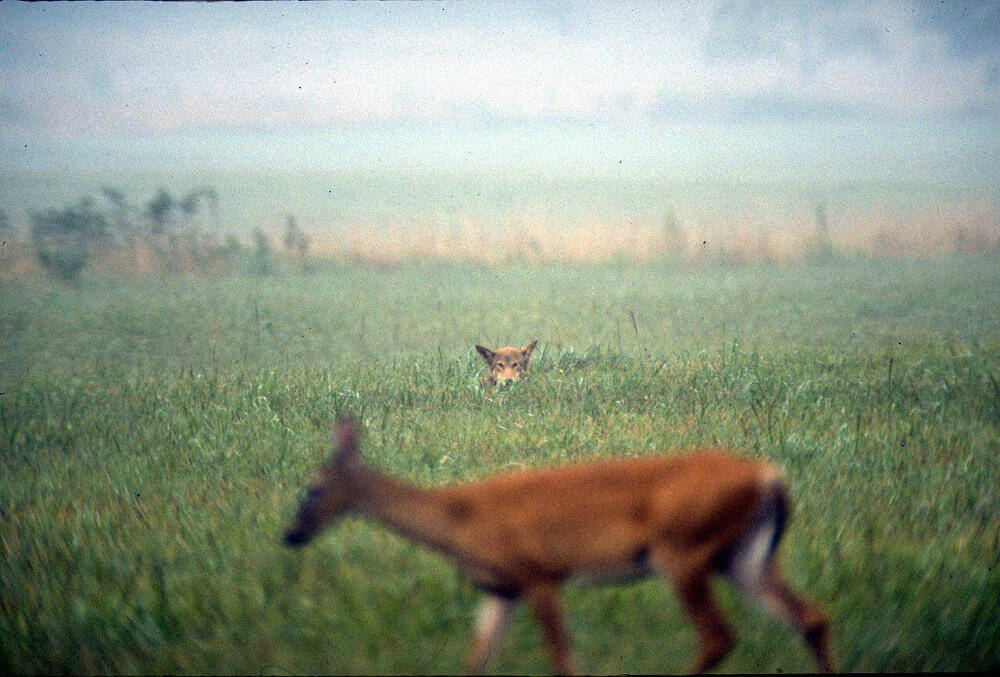
Red wolves are opportunistic carnivores, meaning they adapt their diet based on what is available in their environment. Historically, their diet consisted mainly of small to medium-sized prey, such as rabbits, rodents, and nutria, rather than the large ungulates typically hunted by gray wolves.
Today, in restored populations, their diet is more varied and includes white-tailed deer, raccoons, muskrats, nutria, rice rats, and occasionally carrion. This flexibility helps them survive in changing landscapes where prey availability can fluctuate.
Red wolves are active hunters and may travel up to 20 miles (32 km) in a day while searching for food. An adult typically consumes around 2–5 pounds of food per day, depending on availability and energy needs.
Pack Behavior and Family Life
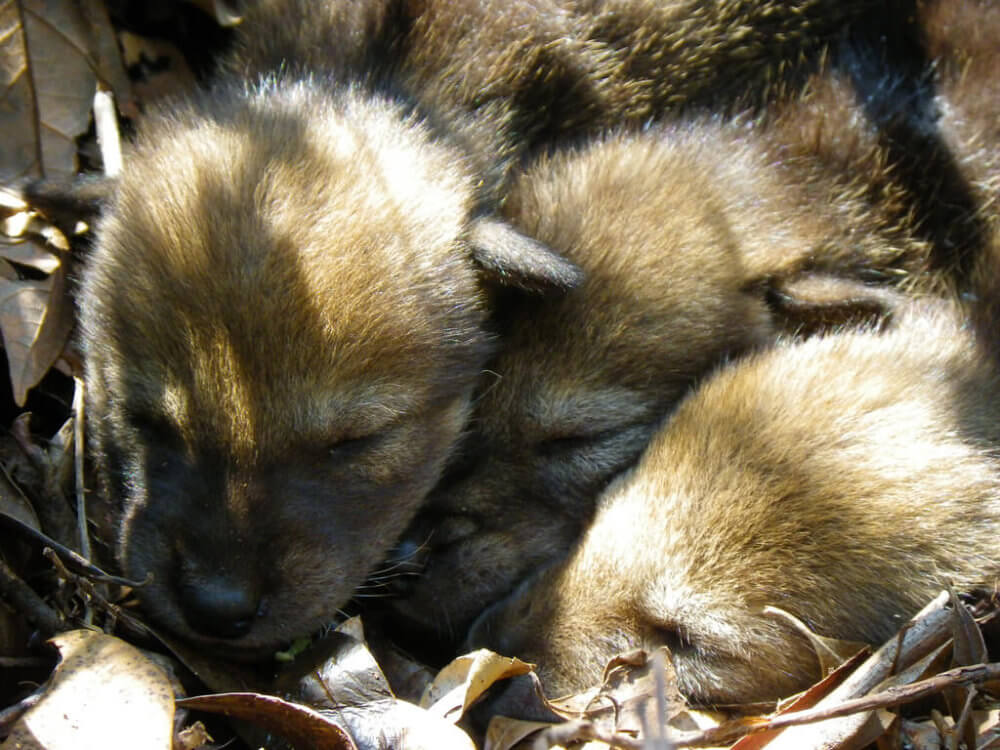
Red wolves are highly social animals that live in close-knit family packs, typically made up of a monogamous breeding pair and their offspring. Pack sizes usually range from 5 to 8 individuals, though this can vary depending on habitat and prey availability.
Both parents play an active role in raising pups, and older offspring often help care for younger siblings, contributing to feeding, protection, and teaching essential survival skills. These strong family bonds are critical for successful hunting and pup survival.
Red wolves generally mate once a year, with breeding occurring in late winter (January/February). After a gestation period of about two months, pups are typically born in March, April, or May in well-hidden dens.
Den sites may include hollow tree trunks, sand mounds, stream banks, or abandoned burrows of other animals. Pups begin exploring outside the den at around 5–6 weeks of age, though they remain dependent on the pack for several months as they learn to hunt and navigate their environment.
Red wolves typically reach their full adult size by about one year of age and become sexually mature around two years old, at which point they may disperse to find mates and establish their own territories.
The Decline of the Population
The survival of the Red Wolf is one of the most dramatic conservation stories in North America. By the 1970s, the species had been pushed to the brink of extinction due to habitat loss, predator control programs, and hybridization with coyotes.
Between 1973 and 1980, wildlife biologists captured the last remaining wild red wolves along the Gulf Coast of Texas and Louisiana. Out of dozens of animals evaluated, only 14 individuals were selected as genetically pure founders for a captive breeding program. These few wolves became the foundation for the entire species’ recovery.
After several years of careful breeding, the first red wolves were reintroduced into the wild in 1987 at the Alligator River National Wildlife Refuge. Additional releases continued into the early 1990s, helping establish a growing wild population.
By the early 2010s, the program reached a high point, with an estimated 100–120 red wolves living in the wild, the largest population since their reintroduction.
However, this progress did not last. A combination of challenges, including increased human-caused mortality (such as gunshot deaths), vehicle collisions, and renewed hybridization with coyotes, led to a sharp decline. Changes in management strategies and reduced reintroduction efforts also contributed to the population’s instability.
By 2018, the wild population had dropped to around 40 individuals, and by 2021, it had fallen to fewer than 10 known wolves. During this period, reproduction in the wild nearly stopped, with no confirmed wild-born litters between 2019 and 2020.
More recently, renewed conservation efforts, including pup fostering and management of coyote hybridization, have led to cautious signs of recovery. As of the mid-2020s (2023–2025), the wild population is estimated at around 25–30 individuals, primarily within and around the Alligator River region of North Carolina.
Despite this progress, the Red Wolf remains one of the rarest large carnivores on Earth, and its future continues to depend on active conservation and long-term protection.
Red Wolf Fun Facts
- Pack Parents – Both mom and dad raise the pups together.
- Quiet Hunters – They rely on stealth and cooperation rather than brute force.
- Habitat Flexible – They can live in forests, wetlands, and coastal plains.
- Cross-Fostering Success – Scientists have placed captive-born pups into wild dens to boost genetic diversity.
- Keystone Species – Their presence helps keep ecosystems balanced.
- Once Extinct – Red wolves were declared extinct in the wild in 1980 before being successfully reintroduced.
Why do red wolves matter?
The Red Wolf plays a vital role in maintaining healthy ecosystems. As a predator, it helps regulate populations of animals such as deer, rabbits, and raccoons, preventing overgrazing and reducing pressure on vegetation.
Their diet can also include invasive species like nutria, which are known to damage wetlands by destroying plant roots and contributing to erosion. By helping control these populations, red wolves indirectly support the health of fragile habitats.
Because of this ecological role, protecting red wolves goes beyond saving a single species. It helps maintain balanced food webs, healthier landscapes, and more resilient ecosystems across their habitat.
Threats and Conservation Challenges
Human activity remains the greatest threat to the Red Wolf. Today, only a small population—fewer than 30 individuals—survives in the wild, making every loss significant. Among the leading causes of death are vehicle collisions and gunshot mortality, both of which have had major impacts on recovery efforts.
Roads that cut through their habitat, especially U.S. Highway 64, create dangerous barriers that fragment territories and separate family groups. Vehicle strikes are a serious concern, accounting for a notable portion of documented deaths in the wild population.
Because red wolves rely on strong family structures, the loss of even a single adult, especially a breeding individual, can have cascading effects. In some cases, the death of a parent has led to the loss of dependent pups that were not yet able to survive on their own.
To address this, conservation groups and transportation agencies are working on solutions such as wildlife crossings, underpasses, and fencing to reduce road mortality. These measures not only benefit red wolves but also protect other species in the region, including deer, black bears, turtles, and snakes, plus helps reconnect fragmented habitats.
How You Can Help Protect the Red Wolf
- Support conservation programs working to protect red wolves.
- Protect habitat by supporting land conservation efforts
- Raise awareness about this lesser-known species!
- Support responsible wildlife policies, value living history
- Lastly, Shop with purpose: Purchases from Artsefact help support wildlife and habitat conservation.
Buy Art & Save Wildlife
10% of all profits support wildlife and habitat conservation efforts, so every artwork you collect helps protect the planet.



Red Wolf Factsheet
Would you like a Red Wolf fact sheet?
- Sign up for our newsletter for exclusive updates and wildlife conservation tips (Your welcome email has your Password for the Portal)
- Visit https://artsefact.com/factsheets/ where you can access and download ALL Factsheets & Gain Early Access to NEW Factsheets
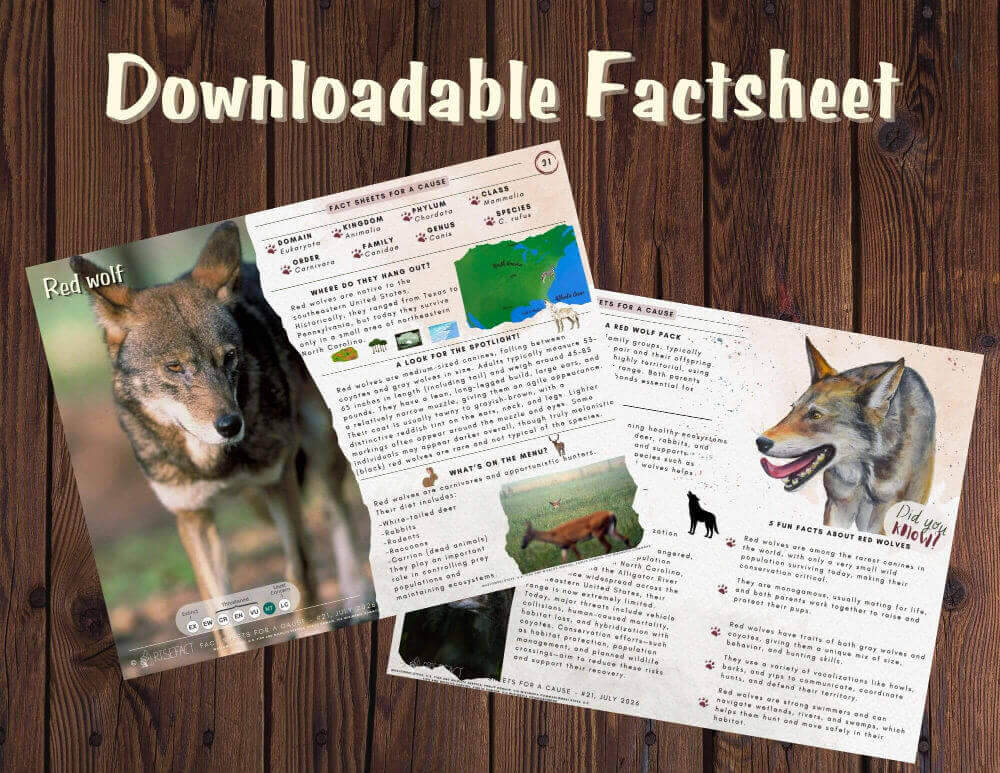
Here’s how you can gain access:
Resources
- National Geographic – https://education.nationalgeographic.org/resource/red-wolf-conservation/
- Wikipedia – https://en.wikipedia.org/wiki/Red_wolf
- U.S. Fish & Wildlife Service – https://www.fws.gov/species/red-wolf-canis-rufus and https://www.fws.gov/project/red-wolf-recovery-program
- Reflection Riding – https://reflectionriding.org/nature-center-news-updates/red-wolf-update-2025
- Endangered Wolf Center – https://www.endangeredwolfcenter.org/american-red-wolves/
- Defenders of Wildlife – https://defenders.org/wildlife/red-wolf
- Smithsonian’s National Zoo & Conservation Biology Institute – https://nationalzoo.si.edu/animals/red-wolf


