

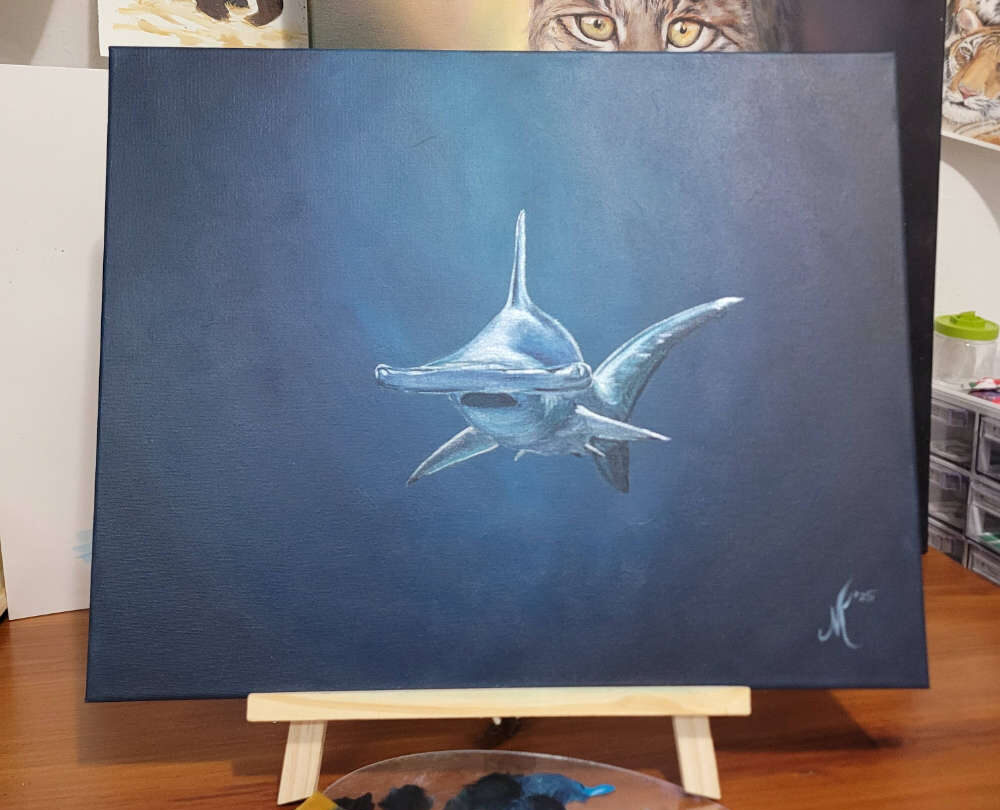
Meet the Scalloped Hammerhead Shark
At first glance, the scalloped hammerhead shark looks like something imagined rather than evolved. Its wide, flattened head sweeps through the water like a living compass with eyes set far apart, and a body cutting through warm seas with quiet precision.
But this shark’s strange silhouette is not a mistake. It is a tool.
Known scientifically as Sphyrna lewini, the scalloped hammerhead is built to read the ocean. Its hammer-shaped head, called a cephalofoil, helps widen its field of vision and gives it more surface area for sensory organs that detect electrical signals from hidden prey; or in other words, it can sense animals hiding beneath the sand like a built-in underwater “Fish” detector.
Scientific Name: Sphyrna lewini
Phylum: Chordata
Order: Carcharhiniformes
Genus: Sphyrna
Kingdom: Animalia
Class: Condrichthyes
Family: Sphyrnidae
Species: S. lewini
IUCN Redlist Status: Endangered
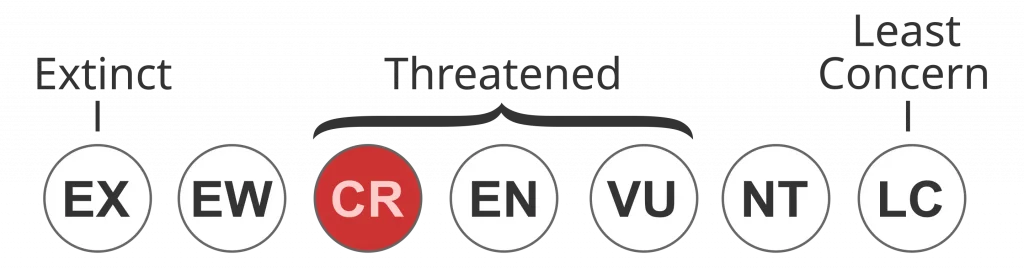
The scalloped hammerhead shark (Scalloped hammerhead shark) is listed as Critically Endangered on the IUCN Red List of Threatened Species, with global populations declining primarily due to overfishing and bycatch. In recent years, the species has received stronger international protections, including an uplisting to Appendix I under the Convention on the Conservation of Migratory Species of Wild Animals (CMS) in March 2026: a significant step for one of the ocean’s most vulnerable migratory sharks. Some populations are also protected under the U.S. Endangered Species Act, including the Eastern Pacific and Eastern Atlantic populations, which are listed as endangered.
- Meet the Scalloped Hammerhead Shark
- Under the Sea
- How They Got Their Name
- Hunting Like a Hammerhead
- Ocean Wanderers
- Social Sharks
- Family Life Beneath the Waves
- Secrets of the Sea Scout
- Hammerhead Lookalikes
- More Than a Shark
- Icons of the Open Ocean
- Threats to Their Survival
- Why International Protection Matters
- How You Can Help Protect the Scalloped Hammerhead Shark
- Why the Scalloped Hammerhead Matters
- Buy Art & Save Wildlife
- Scalloped Hammerhead Factsheet
- Resources
- Shop Bestsellers
Under the Sea
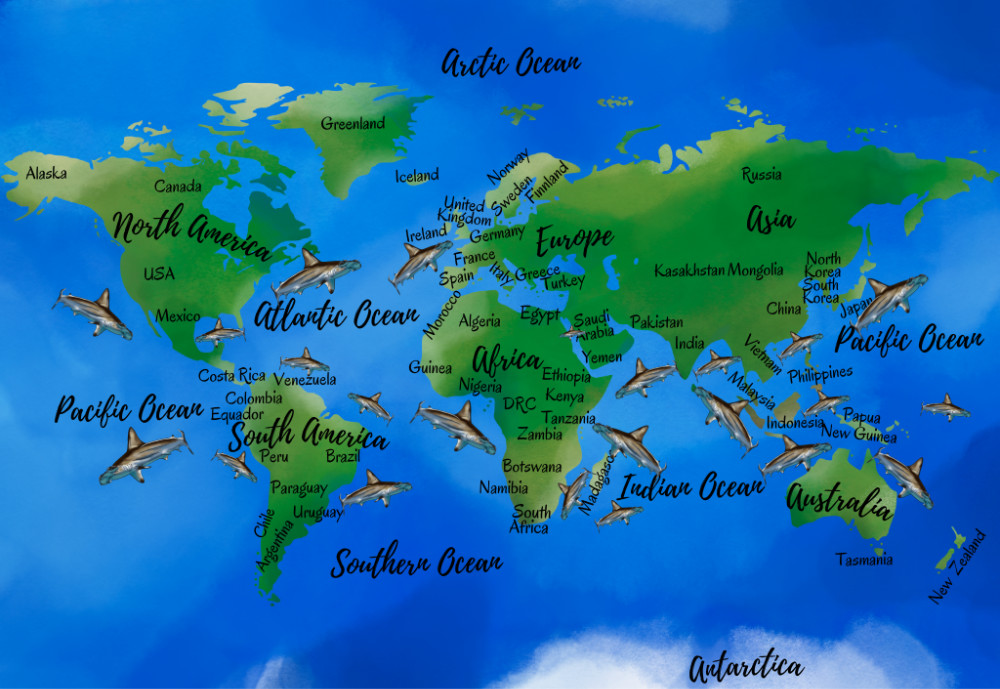
Scalloped hammerheads live in warm temperate and tropical waters around the world, including the Atlantic, Pacific, and Indian Oceans. They are often found near continental shelves, islands, seamounts, and coastal habitats. Young sharks spend time in shallow nursery areas such as bays, estuaries, and mangrove-lined coasts, where they have a better chance of surviving their vulnerable early years. As they mature, they venture farther offshore, traveling between feeding grounds, resting areas, and migration routes that can span entire ocean basins.
In places like the Galápagos, researchers are still uncovering pieces of their life story. In 2025, scientists documented a pregnant scalloped hammerhead’s long-distance birthing migration from Darwin Island toward known nursery habitat near Panama, an important reminder that protecting this species means protecting both offshore gathering sites and coastal nurseries.
Because they move across such vast distances, protecting scalloped hammerheads requires cooperation between multiple countries and conservation organizations.
How They Got Their Name
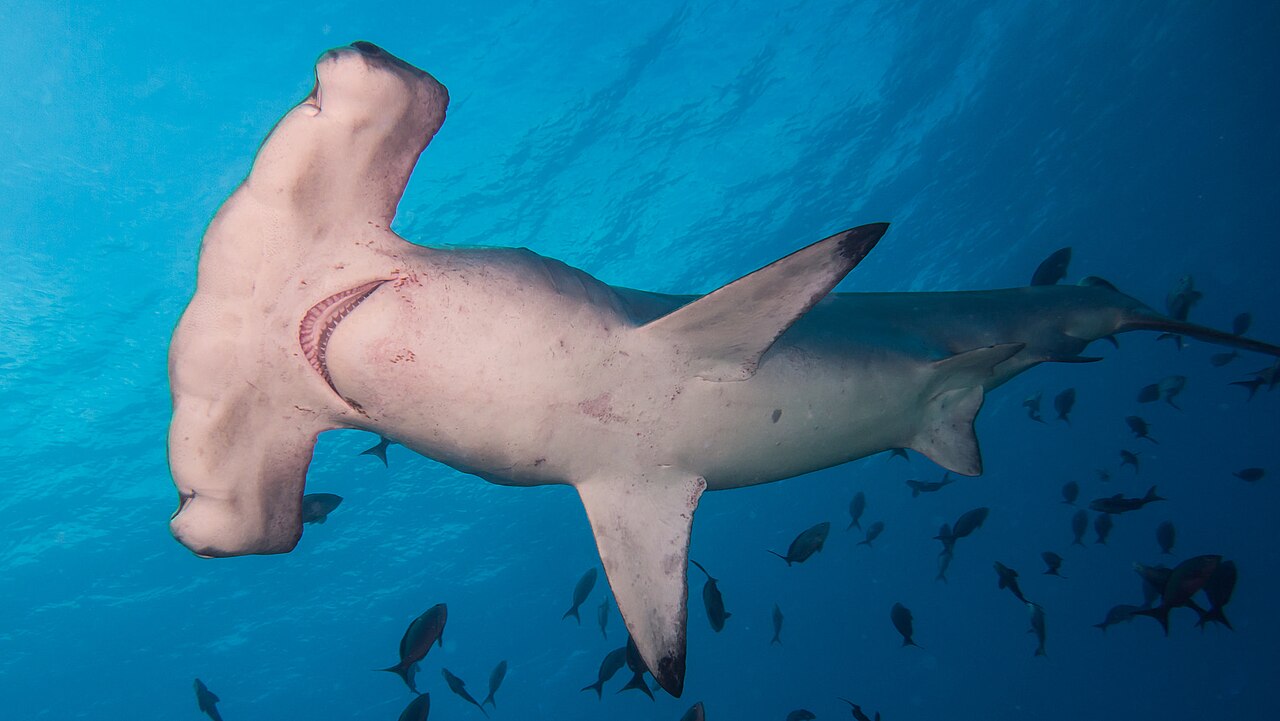
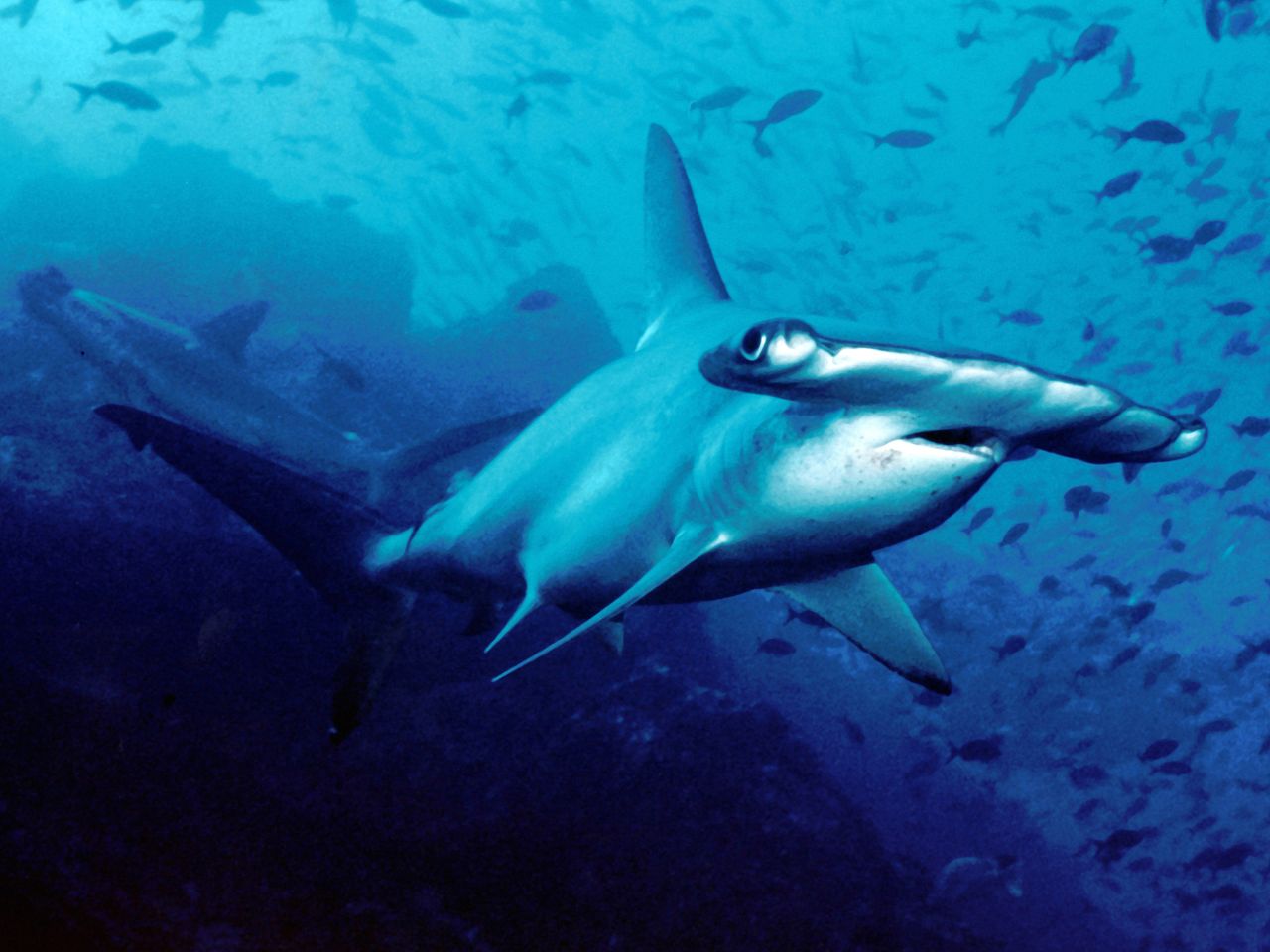
The scalloped hammerhead shark gets its name from the distinct shape of its head. Unlike the smoother head shapes of other hammerheads, this species has a broad, flattened cephalofoil with a central dip and smaller, rounded indentations between the eyes, creating the curved, “scalloped” outline that inspired its name. This unique head structure sets it apart from other hammerhead species, giving the shark one of the most recognizable silhouettes in the ocean.
While not as massive as the great hammerhead, scalloped hammerheads can still grow up to 14 feet long, though many individuals are smaller depending on region and age. Their streamlined bodies are typically gray to olive-bronze above, with pale undersides, a form of camouflage known as countershading that helps them blend into the ocean, whether viewed from above or below. They also feature a tall first dorsal fin and a smaller second dorsal fin, giving them a sleek and agile profile in the water.
Hunting Like a Hammerhead
Scalloped hammerhead sharks are opportunistic predators that feed on fish, squid, octopus, crustaceans, rays, and even smaller sharks. Their unusual hammer-shaped head gives them a major advantage while hunting. The wide positioning of their eyes improves their field of vision, while special sensory organs called ampullae of Lorenzini allow them to detect tiny electrical signals produced by other animals.
This means a scalloped hammerhead can locate prey even when it is completely hidden beneath the sand. In some cases, they use their broad heads to pin stingrays against the seafloor before feeding, turning their strange appearance into one of the ocean’s most effective hunting tools.
Their cephalofoil may also improve maneuverability and lift, helping make scalloped hammerheads agile and highly effective hunters in open water. As predators, they play an important role in maintaining balance within marine food webs and supporting healthy ocean ecosystems.
Ocean Wanderers
Scalloped hammerhead sharks are highly migratory, traveling long distances between feeding grounds, offshore islands, and coastal nursery habitats. Some populations move seasonally, while others travel hundreds or even thousands of miles across the open ocean. These journeys connect distant ecosystems and play an important role in the species’ life cycle. The recently documented movement of a pregnant female from the Galápagos region toward nursery habitat near Panama is just one example of the remarkable journeys these sharks undertake throughout their lives.
Their migrations also make conservation especially challenging. A single shark may pass through the waters of several countries during its lifetime, meaning protection in one area may not be enough if threats continue elsewhere. For a species that depends on connected habitats and migration routes, international cooperation is essential.

Social Sharks
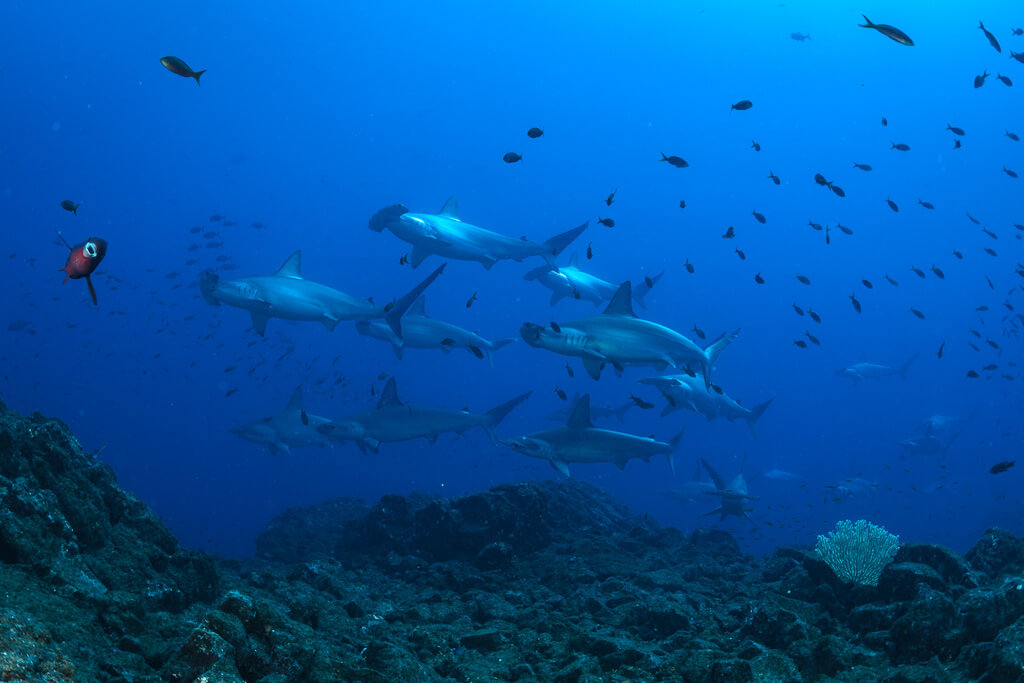
Unlike many shark species that spend most of their lives alone, scalloped hammerheads are surprisingly social. During the day, they often gather in large schools numbering in the hundreds, circling near seamounts, volcanic islands, and reef drop-offs.
As daylight fades, these schools begin to break apart. Individual sharks spread out into deeper waters and across open ocean habitats to hunt. By morning, many return once again to the safety of the group.
Scientists are still studying why scalloped hammerheads form such large schools, but theories include predator protection, navigation, energy conservation, and social interaction. Whatever the reason, these gatherings reveal a side of sharks many people rarely consider: not just hunters, but animals with surprisingly complex social lives.
Family Life Beneath the Waves
Scalloped hammerheads reproduce slowly, making recovery from population declines particularly difficult.
After mating, females undergo a gestation period of approximately 9 to 12 months before giving birth to live young in shallow coastal nursery areas. Unlike many fish that release eggs into the water, scalloped hammerheads give birth to fully formed pups.
A single litter can contain anywhere from a dozen to more than 30 pups, depending on the mother’s size and age. These young sharks spend their early lives in protected coastal habitats before gradually moving into deeper waters.
Females do not reproduce every year, and both males and females require many years to reach maturity. This slow reproductive cycle is one reason why populations struggle to recover from heavy fishing pressure.
Secrets of the Sea Scout
- Size and Lifespan: Scalloped hammerhead sharks can grow up to about 13 feet and may live around 30 years
- Late Bloomers: Males typically reach maturity at about 10 years old, while females mature later at around 15 years and a larger size
- Social Sharks: They are highly social and often swim in large groups numbering in the hundreds, especially during the day
- Built-In Fish Finder: Their ampullae of Lorenzini help them detect electrical signals from hidden prey.
- Stingray Specialists: They can locate stingrays buried beneath the sand and pin them to the seafloor while feeding.
- Ocean Travelers: Some populations migrate hundreds or even thousands of miles.
- Not the Villain: Despite their appearance, scalloped hammerheads are generally not aggressive toward humans.
Hammerhead Lookalikes
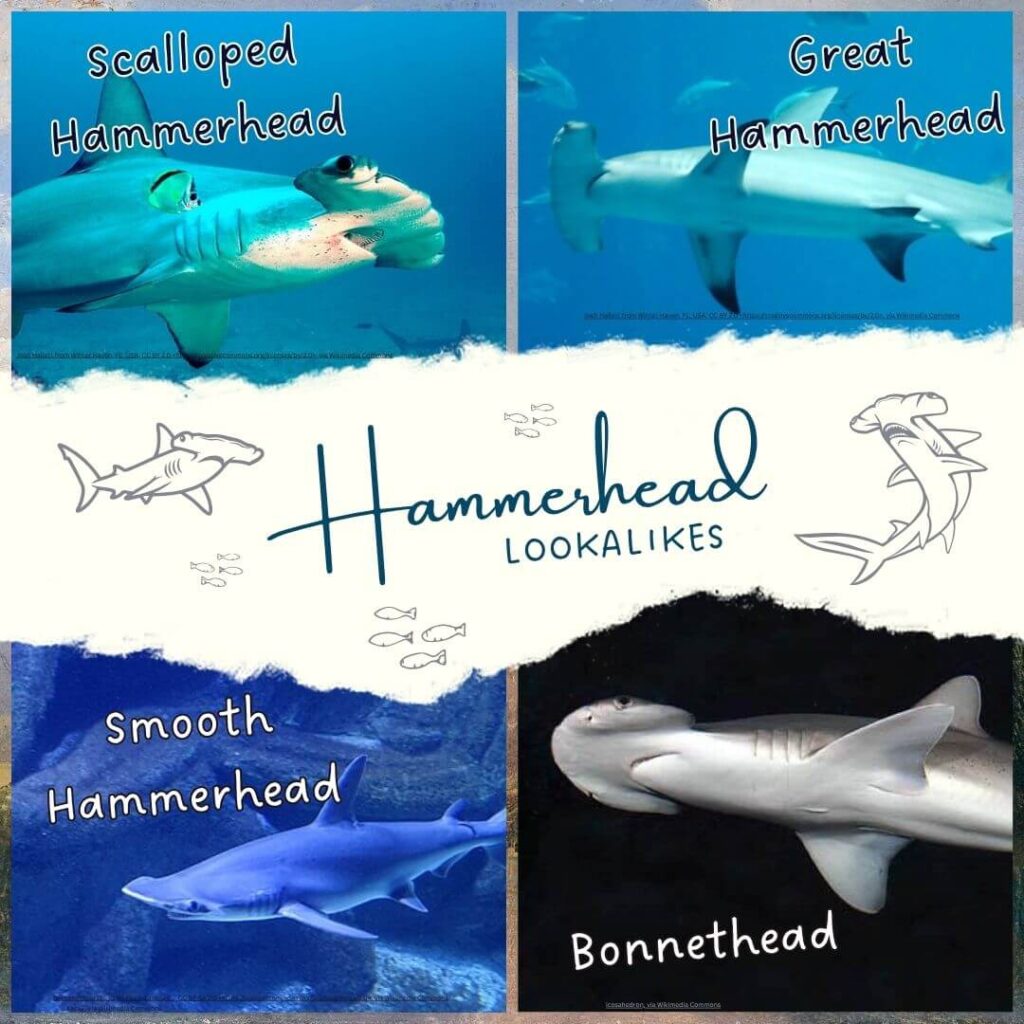
Scalloped hammerheads are not the only sharks with hammer-shaped heads.
Great Hammerhead
The great hammerhead is the largest hammerhead species and can grow significantly larger than a scalloped hammerhead. Its head is broader and more angular, with a straighter front edge.
Smooth Hammerhead
The smooth hammerhead lacks the central indentations that give the scalloped hammerhead its name. Its cephalofoil is smoother and more rounded.
Bonnethead
The bonnethead is much smaller and has a rounded, shovel-shaped head. It is commonly found in shallow coastal waters and estuaries.
Why So Many Lookalikes?
Although they may appear similar at first glance, these sharks are all members of the hammerhead family and share a common ancestor. Over millions of years, each species evolved slightly different head shapes, sizes, and behaviors that helped them thrive in different environments. Their distinctive cephalofoils may improve vision, maneuverability, and prey detection, but each species has adapted the design in its own way.
Quick ID Tip
If you’re trying to identify a hammerhead, look at the front edge of its head:
- Scalloped Hammerhead: Curved front edge with distinct indentations or “scallops.”
- Great Hammerhead: Broad, nearly straight front edge
- Smooth Hammerhead: Rounded front edge without scallops
- Bonnethead: Small size with a rounded, shovel-like head
Think of it this way: if the head looks wavy, it’s probably a scalloped hammerhead. If it looks flat, think great hammerhead. If it looks smooth and rounded, you’re likely looking at a smooth hammerhead.
More Than a Shark
In parts of Polynesia and Hawaiʻi, sharks hold deep cultural significance and are often viewed with respect rather than fear. Hammerheads, known in Hawaiʻi as manō kihikihi, are connected to traditional knowledge, storytelling, and, in some families, ʻaumākua: spiritual guardians or ancestral protectors.
These traditions reflect a relationship with the ocean rooted in understanding, respect, and coexistence.
Icons of the Open Ocean
Schools of scalloped hammerhead sharks have become some of the most recognizable images in ocean documentaries and underwater photography. Their dramatic silhouettes and swirling formations near places like the Galápagos Islands and Cocos Island have made them favorites among divers, filmmakers, and marine researchers alike.
For many people, seeing a school of hammerheads emerge from the blue is not just a wildlife encounter; it is a moment of awe.
Threats to Their Survival
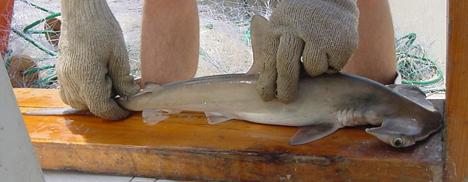
Scalloped hammerhead sharks face numerous threats, but overfishing remains the greatest.
They are targeted for their fins, meat, skin, and other products, while many more are accidentally captured as bycatch in commercial fisheries. Their tendency to gather in large schools can make them especially vulnerable to fishing operations.
However, large-scale fishing operations are not the only threat facing scalloped hammerheads. Even well-intentioned catch-and-release fishing can have unintended consequences. Scalloped hammerheads are particularly sensitive to capture stress, and studies have found that some die after release due to exhaustion and physiological strain. Extended handling, air exposure, and the removal of sharks from the water for photographs can further reduce their chances of recovery. For this reason, scientists and conservation groups encourage anglers to keep sharks in the water whenever possible and minimize handling time before release.
Their slow growth, late maturity, and relatively low reproductive rate further compound the problem. When large numbers of adults are removed from the population, recovery can take decades.
Because scalloped hammerheads migrate across international boundaries, conservation efforts require cooperation among many nations. A shark protected in one country may still face threats in another.
Why International Protection Matters
In recognition of their rapid decline, scalloped hammerheads were added to Appendix I of the Convention on the Conservation of Migratory Species of Wild Animals (CMS). This designation is reserved for migratory species facing a high risk of extinction and encourages stronger international cooperation, habitat protection, and conservation planning.
For a species that depends on connected oceans, nursery habitats, and migration routes, international protection is essential.
How You Can Help Protect the Scalloped Hammerhead Shark
Conservation efforts focus on protecting nursery habitats, reducing bycatch, improving fisheries management, and strengthening international protections.
Researchers use tagging programs, genetic studies, and population monitoring to better understand migration routes and identify critical habitats. Organizations around the world are working to establish marine protected areas and reduce unsustainable fishing practices.
You can help by choosing sustainably sourced seafood, avoiding shark products, supporting marine conservation organizations, and sharing science-based information about sharks. Replacing fear with understanding is one of the most powerful ways to help protect these remarkable animals.
Lastly, Shop at Artsefact: Part of the proceeds go towards wildlife and habitat conservation.
Why the Scalloped Hammerhead Matters
The scalloped hammerhead is more than an unusual face in the sea. It is a traveler, a hunter, a social species, and a reminder that the ocean is full of lives we are only beginning to understand.
Its survival depends on connected habitats: offshore gathering sites, coastal nurseries, migration routes, and healthy seas. Protecting this shark means protecting the invisible pathways that connect the ocean.
And perhaps that is what makes the scalloped hammerhead such a powerful symbol. It does not simply move through the ocean; it reads it, following signals we cannot see across waters we are still learning to protect.
Buy Art & Save Wildlife
10% of all profits support wildlife and habitat conservation efforts, so every artwork you collect helps protect the planet.


Scalloped Hammerhead Factsheet
Would you like a Scalloped Hammerhead Shark fact sheet?
- Sign up for our newsletter for exclusive updates and wildlife conservation tips (Your welcome email has your Password for the Portal)
- Visit https://artsefact.com/factsheets/ where you can access and download ALL Factsheets & Gain Early Access to NEW Factsheets

Here’s how you can gain access to all of our Factsheets!:
Resources
- Wikipedia — https://en.wikipedia.org/wiki/Scalloped_hammerhead
- NOAA — https://www.fisheries.noaa.gov/species/scalloped-hammerhead-shark
- Florida Museum— https://www.floridamuseum.ufl.edu/discover-fish/species-profiles/scalloped-hammerhead/
- Florida Fish and Wildlife Conservation Commission — https://myfwc.com/wildlifehabitats/profiles/saltwater/sharks/scalloped-hammerhead-shark/
- Oceana — https://oceana.org/marine-life/scalloped-hammerhead-shark/
- Monterey Bay Aquarium — https://www.montereybayaquarium.org/animals/animals-a-to-z/scalloped-hammerhead-shark
- Texas Parks & Wildlife – https://tpwmagazine.com/wildlife-conservation/scalloped-hammerhead-advantage-from-the-shape-of-its-head/
- Shark Stewards – https://sharkstewards.org/daves-story-a-scalloped-hammerheads-call-from-hawaii/
- Darwin Foundation – https://www.darwinfoundation.org/en/our-work/ocean/shark-ecology/
- Maui Ocean Center – https://mauioceancenter.com/marine-life/scalloped-hammerhead-shark/
- Shark Research Institute – https://www.sharks.org/
- National Library of Medicine – https://pmc.ncbi.nlm.nih.gov/articles/PMC5385669/


